
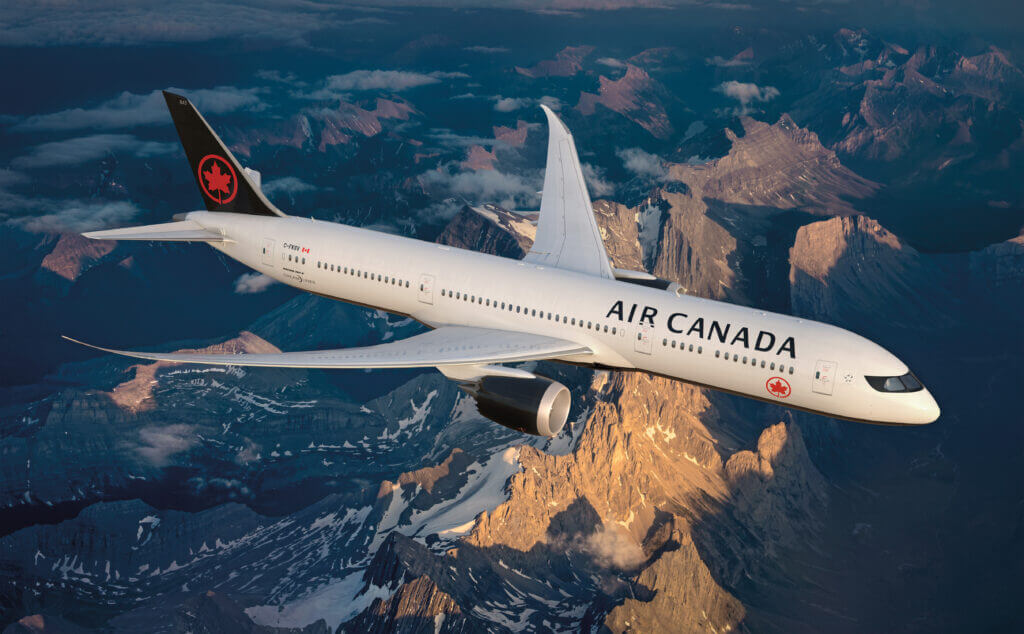
Air Canada seat selection is the first step toward ensuring a stress-free and comfortable travel experience, whether you are embarking on a cross-country flight or an international adventure. Understanding the intricacies of choosing your ideal spot on the aircraft can save you money, time, and unwanted hassle at the gate. As we navigate travel in 2026, Air Canada has streamlined its policies to provide clearer options for all types of travelers, from budget-conscious flyers to those seeking premium comfort.
In this guide, we break down everything you need to know about navigating the seat map, managing fees, and securing the best cabin experience for your upcoming flight.
Why Advance Seat Selection Matters
Choosing your seat in advance is more than just a preference; it is a travel strategy. Whether you prefer a window seat to catch a view, an aisle seat for easy movement, or specific rows for extra legroom, booking early guarantees your choice. If you skip this step, you risk being assigned a middle seat or, in cases of full flights, being separated from your travel companions. By taking charge of the process early, you ensure your onboard experience aligns with your personal comfort needs.
Navigating Air Canada Seat Selection Policy
The Air Canada seat selection policy is designed to provide flexibility based on the fare class you purchase. Generally, premium fares like Latitude and Comfort include complimentary seat selection. However, for those traveling on Basic or Standard fares, fees may apply depending on the route and the seat type chosen. Air Canada also prioritizes family travel, ensuring that children under 14 are seated near their parents or guardians at no additional cost, a crucial policy for families planning their logistics.
Understanding Air Canada Seat Selection Fees
When planning your travel budget, it is essential to account for Air Canada seat selection fees. These charges vary depending on several factors:
Fare Class: Basic and Standard fares often require a fee for advance seat selection, whereas higher tiers offer it for free.
Route: Fees can differ between domestic flights within Canada, transborder flights to the U.S., and long-haul international itineraries.
Seat Type: Standard seats generally carry lower fees, while "Preferred Seats" (offering extra legroom, such as exit rows or bulkhead) command higher prices.
Always check the specific fee structure during the booking flow, as prices are per passenger, per one-way segment, and are inclusive of applicable taxes.
How to Select Seats on Air Canada
Learning how to select seats on Air Canada is straightforward, thanks to their user-friendly digital tools. You can manage your seat assignments at three distinct stages:
During Initial Booking: The most convenient time to choose your seat is when you are purchasing your ticket.
Post-Booking: If you missed it the first time, visit the "My Bookings" tab on the Air Canada homepage. You can retrieve your reservation using your booking reference and make changes up to 2 hours before departure.
During Check-in: Within 24 hours of your flight, you can change your assigned seat or select one if you haven't yet, subject to availability.
What You Should Know About Air Canada Seat Selection Cost
The Air Canada seat selection cost is not a flat rate; it is dynamic and reflects the value of the seat's location and cabin amenities. While the exact price is displayed on the seat map at the time of purchase, it is worth noting that for travelers with Aeroplan Elite Status (specifically 50K, 75K, and Super Elite members), these costs are waived, providing an excellent incentive for frequent flyers. Always verify the total cost before finalizing, as segment-based fees apply to every leg of your journey.
The Benefits of Preferred Seats
If you are looking for that extra bit of comfort, Air Canada’s Preferred Seats are an excellent upgrade. These seats typically offer up to 4 inches (10 cm) of additional legroom, quicker boarding in Zone 3, and a faster exit upon arrival. While these seats come at a premium, they are often a worthwhile investment for long-haul flights where legroom is at a premium. Remember to book these early, as they are high in demand and limited in quantity.
Traveling with Families and Groups
Air Canada makes significant efforts to keep families together.Their policy specifically mandates that children under 14 are seated in proximity to their parent or guardian at no extra charge. When booking, ensure you declare that you are traveling with children to trigger this automatic assignment. If you are traveling as a large group, it is highly recommended to select seats as early as possible to ensure everyone is clustered together, as last-minute adjustments become increasingly difficult on sold-out flights.
Managing Special Seating Requirements
For passengers requiring special assistance—such as those needing proximity to washrooms, extra space due to physical disability, or the use of specific medical devices—Air Canada provides a dedicated accessibility support channel.Contacting their Accessibility Services at least 48 hours before departure ensures that your specific needs are met with a suitable seating arrangement. This service is free of charge and designed to ensure that every passenger has a safe and dignified travel experience.
What Happens if Your Flight Changes?
Flight disruptions, aircraft changes, or cancellations can sometimes result in an involuntary seat change. In these instances, Air Canada strives to provide a seat of equivalent value. If you paid for a specific seat and are downgraded, or if the new seat does not meet the standards of the original, you are entitled to request a refund for the seat selection charge. Always keep your receipts and boarding information handy in case you need to file a claim post-travel.
Tips for Getting the Best Seat
To secure the best experience, keep these professional travel tips in mind:
Book Early: Seat maps are most open at the time of booking.
Monitor the Seat Map: Even if you have a seat, check the map periodically before your flight; sometimes better seats open up as other passengers change their plans.
Check the Aircraft Layout: Use sites like SeatGuru or similar tools to look up the specific aircraft type to identify the best (and worst) seats in the cabin.
Leverage Elite Status: If you have Aeroplan status, ensure your frequent flyer number is linked to your booking to unlock your benefits.
Frequently Asked Questions (FAQs)
1. Is Air Canada seat selection always free?
No, seat selection is generally not free for Basic and Standard fares.It is usually complimentary for premium fares like Latitude and Comfort, as well as for Aeroplan Elite Status members.
2. Can I change my seat after I have checked in?
Yes, you can change your seat during the online check-in process or at the airport kiosk up until the boarding gate closes, provided there are seats available.
3. What happens if I am not seated next to my child under 14?
Air Canada’s policy ensures children under 14 are seated near an accompanying adult. If you have been separated, contact Air Canada reservations or speak to an agent at the airport immediately to rectify the arrangement.
4. Can I purchase a Preferred Seat using Aeroplan points?
Currently, it is not possible to purchase Preferred Seats using Aeroplan points; these upgrades must be paid for via standard payment methods during the booking or management process.
5. Are seat selection fees refundable?
If you voluntarily cancel your flight, seat fees are generally non-refundable. However, if your flight is cancelled by the airline or if you are moved to a non-equivalent seat due to an aircraft change, you can request a refund for the seat charges.
6. Do I need to pay for a seat if I have special medical needs?
No, if you require a specific seat due to a documented medical condition or disability, Air Canada provides these at no extra charge. Be sure to contact Accessibility Services at least 48 hours before your flight to arrange this.
Conclusion:
Mastering Air Canada seat selection is one of the most effective ways to elevate your travel experience from ordinary to exceptional. By understanding the nuances of fare classes, the value of Preferred Seats, and the airline's commitment to keeping families together, you can confidently navigate the booking process to secure the perfect environment for your journey.
While fees may apply for certain selections on Basic or Standard fares, the peace of mind that comes with knowing exactly where you will be sitting—especially on long-haul or international flights—is an investment in your comfort. Remember to leverage tools like the "My Bookings" portal to monitor your seat after purchase, and always ensure your Aeroplan status is linked to your profile to maximize your benefits. Whether you prioritize extra legroom, easy aisle access, or simply being seated with your loved ones, a little proactive planning goes a long way. With this guide, you are now well-equipped to make informed decisions for your next Air Canada flight, ensuring a smooth, comfortable, and well-prepared start to your adventure. Safe travels!